Slow Afternoons on the Porch
Four women gathered beneath greenery turn a porch into more than part of a house: it becomes a room for friendship, stories, and the unhurried time around a meal.
A room without walls
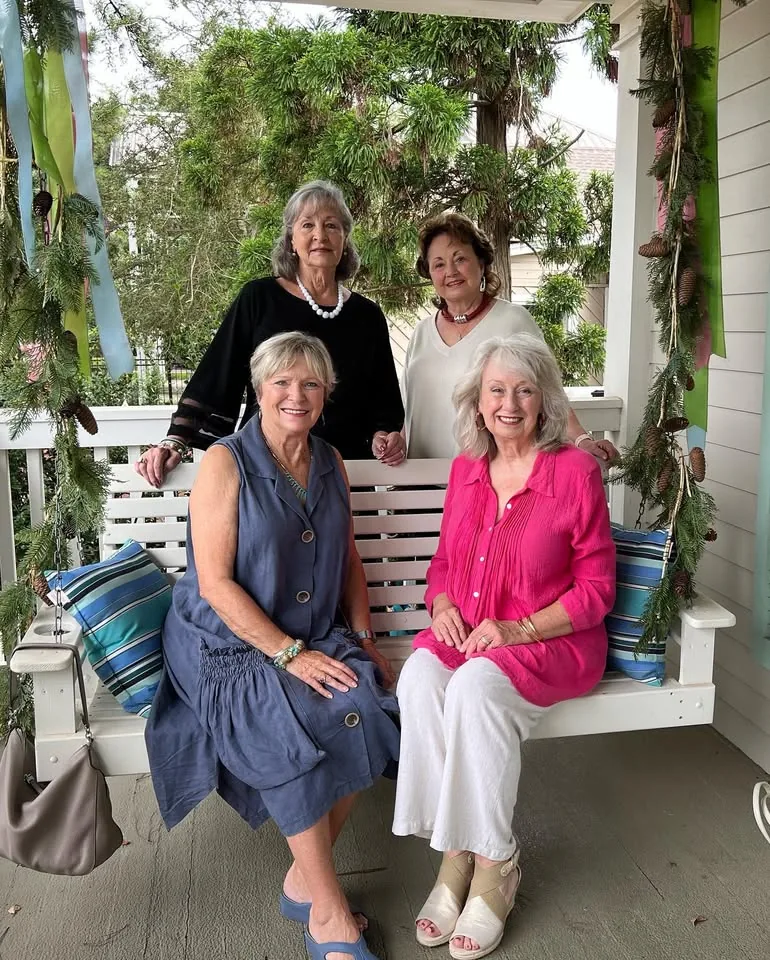
The porch photograph is carefully composed but still feels relaxed. Two women sit on a swing while two stand behind them, framed by greenery, ribbons, and the architecture of the house. Their bright clothing and direct smiles make the image feel welcoming. The porch holds everyone together without enclosing them.
In Southern life, a porch can bridge household and neighborhood. It is close enough to the kitchen for a pitcher, a plate, or another chair to appear easily, yet open enough for a passing breeze and casual conversation. Time behaves differently there. People can sit after lunch instead of ending the visit when the dishes are cleared.
The meal has an afterlife
A shared meal creates conversation before and after anyone eats. Someone asks how a dish was made. Another person remembers a similar supper years ago. A recipe may be repeated from memory, corrected by a sister, or written down for someone younger. The porch gives those exchanges time to unfold.
This is why lifestyle stories belong beside recipes. Instructions can explain how long to bake a pie, but photographs can show where the pie travels next: toward a table, a visit, a celebration, or an ordinary afternoon made warmer by company.
Hospitality can remain simple
Porch hospitality does not demand a formal menu. Iced tea, coffee, lemonade, biscuits, sliced cake, or a bowl of fruit may be enough. The host can set out napkins and glasses before guests arrive, keep cold drinks in a pitcher, and choose food that waits comfortably instead of requiring constant attention.
The practical goal is to let the host join the gathering. A cake baked earlier, a chilled dessert, or sandwiches assembled before the door opens leave more room for conversation. Hospitality feels generous when people are present with one another, not when every detail is elaborate.
Why these photographs matter
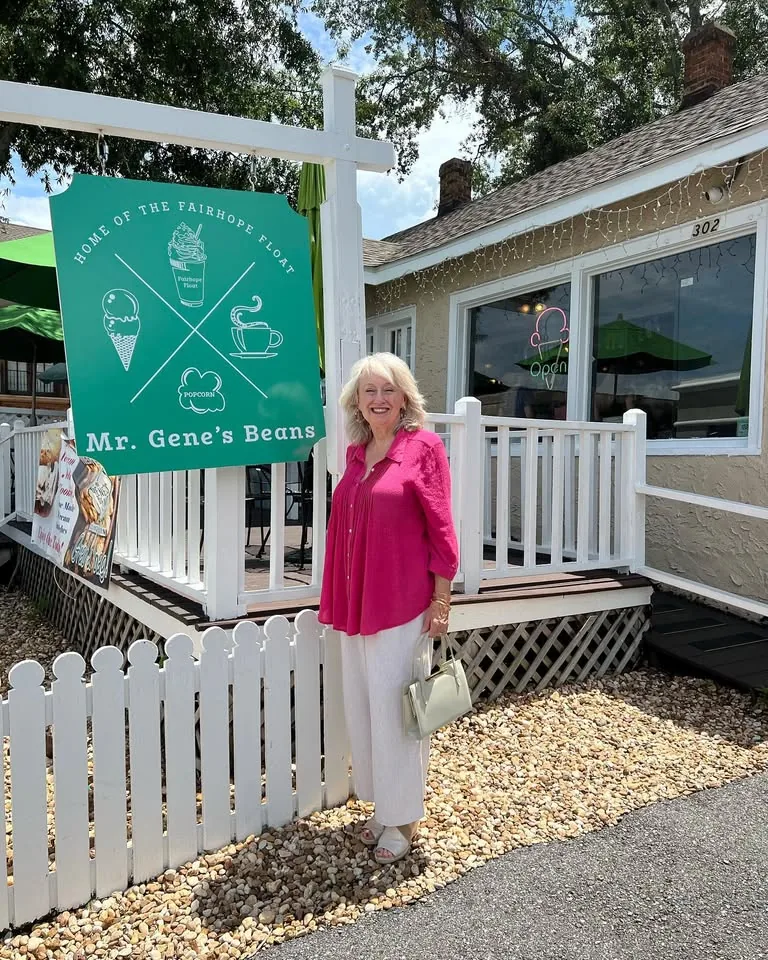
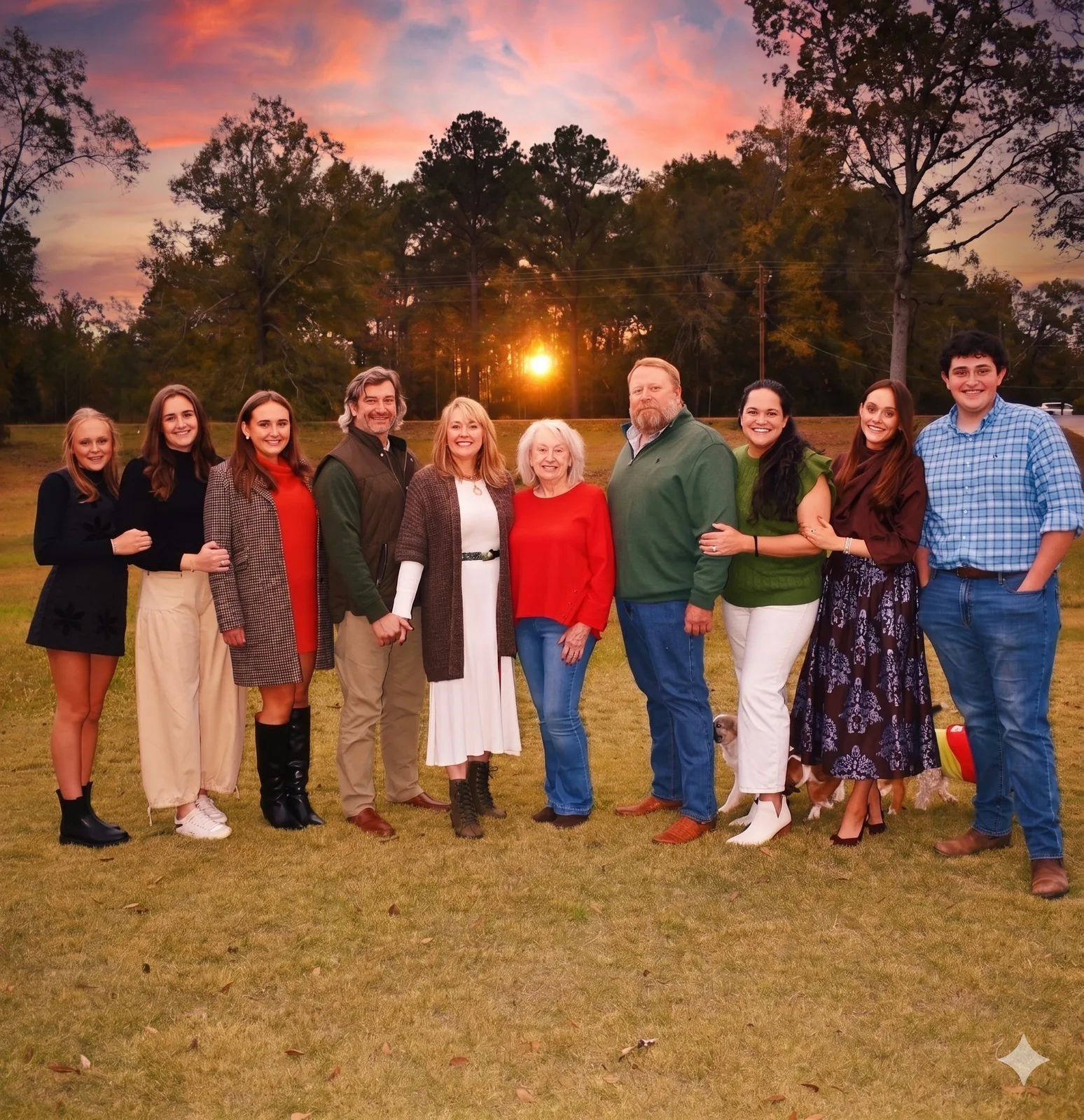
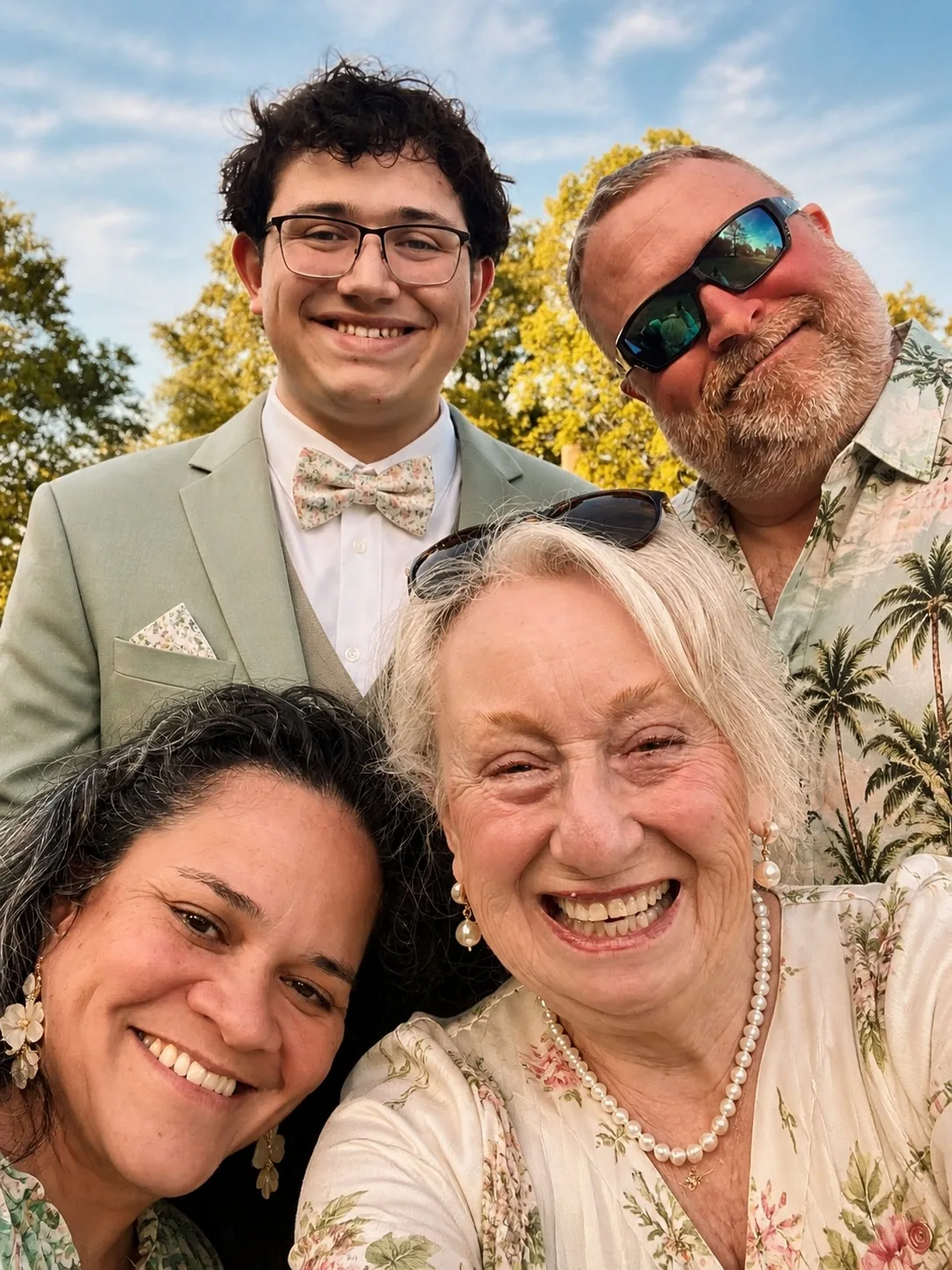
Images of ordinary togetherness preserve details that formal portraits can miss: where people chose to sit, how they leaned toward one another, what the house looked like, and which season surrounded them. Those details help readers imagine the texture of daily life without pretending to know a private conversation.
The story visible here is not about a dramatic event. It is about continuity—the familiar act of making room, sitting close, and letting an afternoon last. In a fast-moving world, that may be the most useful Southern tradition to carry forward.